
Understanding the Mexican Real Estate Market
Buying property in Mexico offers a diverse range of opportunities, whether you’re looking for a vacation home, a retirement haven, or an investment property. The real estate market in Mexico is vast and varied, with something to suit almost every taste and budget. However, before diving into the purchase process, it’s essential to understand the different aspects of the Mexican real estate market, including market trends, popular regions, and the types of properties available.
Market Trends in Mexican Real Estate
The Mexican real estate market has shown consistent growth over the past few decades, fueled by factors like tourism, a growing expat community, and increasing foreign investment. This growth is especially noticeable in regions that are popular among international buyers. However, like any real estate market, it is subject to fluctuations based on economic conditions, government policies, and global trends.
Coastal Areas: Coastal properties, particularly in regions like the Riviera Maya, Puerto Vallarta, and Baja California, have seen significant appreciation due to their desirability among both tourists and foreign residents. These areas are often at the forefront of market trends, with high demand leading to robust real estate activity.
Urban Centers: Mexico City, Monterrey, and Guadalajara are the country’s major urban centers and have a dynamic real estate market that caters to both locals and international buyers. These cities offer a mix of modern high-rise condos, traditional homes, and luxury apartments. The urban real estate market tends to be more stable and is driven by factors such as employment opportunities, infrastructure development, and cultural offerings.
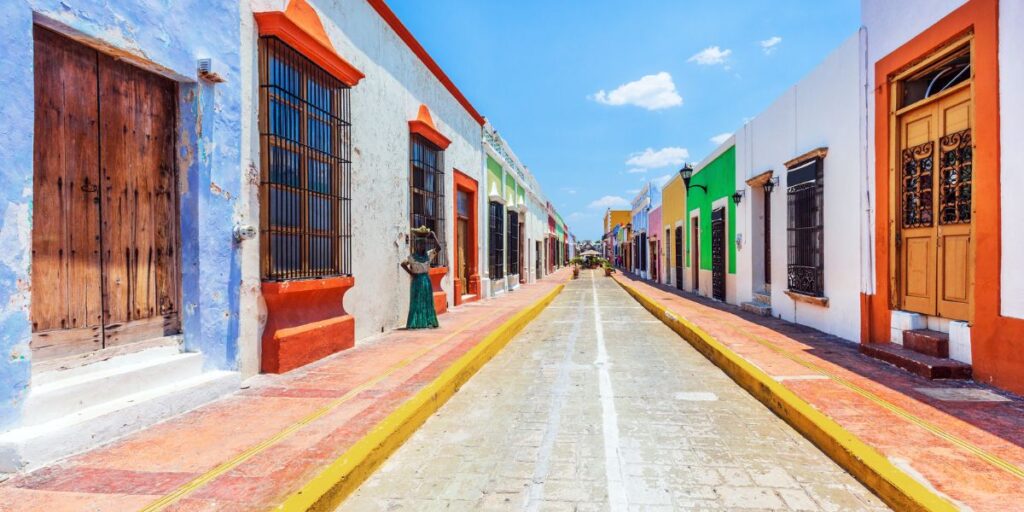
Colonial Towns: Mexico is home to many charming colonial towns like San Miguel de Allende, Mérida, and Oaxaca. These areas are particularly popular among retirees and those looking for a slower pace of life. The real estate market in these towns often features beautifully restored historic homes, which can be highly sought after.

Types of Properties Available
Residential Properties: Residential real estate in Mexico ranges from small apartments to sprawling estates. Depending on the region, you can find modern condos with ocean views, traditional homes with colonial charm, or luxury villas with all the amenities.
Vacation Homes: Many foreign buyers are interested in purchasing vacation homes in Mexico. These properties are often located in popular tourist destinations and can be rented out when not in use, offering potential for income generation.
Investment Properties: For those looking to invest in real estate, Mexico offers various opportunities. The rental market, particularly in tourist-heavy areas, is strong, and there is potential for significant returns on investment. Additionally, commercial properties in urban centers can be lucrative.
New Developments: In recent years, there has been a boom in new developments across Mexico. These often include gated communities, resort-style amenities, and modern construction, appealing to buyers looking for contemporary living spaces.
Historical Properties: Mexico’s rich history means there are also many historical properties available, especially in colonial towns. These homes often require restoration but offer unique charm and cultural significance.
Understanding the nuances of the Mexican real estate market is the first step in making an informed decision when buying property in Mexico. Each region and property type comes with its own set of considerations, and being well-informed will help you navigate the market more effectively.
Legal Requirements for Foreign Buyers
Buying property in Mexico involves understanding the specific legal requirements for foreign buyers, particularly regarding property ownership in different zones. Mexico has clear regulations that distinguish between restricted and non-restricted zones, each with its own set of legal processes.
Restricted Zones
Restricted zones are areas within 50 kilometers (about 31 miles) of the coastline and 100 kilometers (about 62 miles) of Mexico’s borders. According to Mexican law, foreigners are not allowed to directly own land in these areas. However, there is a legal workaround: the fideicomiso. A fideicomiso is a bank trust that allows foreigners to acquire property in restricted zones while adhering to Mexican law. Here’s how it works:
- Bank Trust Arrangement: A Mexican bank holds the property title in trust for the foreign buyer. The buyer is the beneficiary of the trust, meaning they retain full control over the property. They can use it, rent it out, or sell it as they wish.
- Renewable Agreement: The fideicomiso is initially set up for a 50-year term and can be renewed indefinitely. This structure provides long-term security for foreign buyers while ensuring compliance with Mexican regulations.
- Costs and Maintenance: Setting up a fideicomiso involves an initial fee and an annual maintenance fee paid to the bank. These costs are relatively low compared to the benefits of owning property in a desirable location within the restricted zone.
Non-Restricted Zones
For properties located outside the restricted zones, the process of buying property in Mexico is more straightforward. Foreigners can directly own land and hold the title in their name, just as Mexican nationals do. This direct ownership provides more flexibility and often involves fewer legal formalities compared to purchasing property in a restricted zone.
However, whether you’re buying in a restricted or non-restricted zone, it is essential to understand the local regulations, engage with legal professionals, and ensure all paperwork is correctly handled to avoid future complications.
3. The Role of a Notary Public
When buying property in Mexico, the role of a notary public is integral to the legal process. In Mexico, notaries are highly respected legal professionals appointed by the government, and their involvement is mandatory for all real estate transactions.
Legal Verification and Document Preparation
The notary public is responsible for verifying the legal status of the property and ensuring that all documents are in order. This includes checking the property’s title to confirm that it is free of liens, debts, or other encumbrances. The notary will also prepare the necessary legal documents, including the purchase agreement and the final deed (Escritura Publica).
Ensuring Legal Compliance
One of the notary’s key roles is to ensure that the transaction complies with Mexican law. This includes verifying that the seller has the legal right to sell the property and that the buyer is legally eligible to purchase it. The notary also ensures that all taxes and fees associated with the sale are calculated and paid correctly.
Registration and Public Record
After the transaction is completed, the notary is responsible for registering the property with the Public Registry. This step is crucial as it legally recognizes the buyer as the new owner of the property. Without proper registration, the ownership could be challenged in the future.
Neutral Third Party
As a neutral third party, the notary public acts in the interest of both the buyer and the seller, ensuring that the transaction is fair and transparent. Their involvement provides an added layer of security, protecting all parties from potential legal disputes.
4. Steps in the Buying Process
The process of buying property in Mexico involves several critical steps, each designed to ensure that the transaction is legal, transparent, and secure. Whether you’re a seasoned investor or a first-time buyer, understanding these steps will help you navigate the process smoothly.
Property Search and Due Diligence
The first step in buying property in Mexico is finding the right property that meets your needs and budget. Working with a qualified real estate agent who is familiar with the local market is highly recommended. Once you’ve identified a property, due diligence is essential. This involves verifying the property’s legal status, including confirming the title is clear and ensuring there are no outstanding debts, liens, or other legal issues. It’s also wise to check zoning regulations and any restrictions that might affect your intended use of the property.
Offer to Purchase
After completing your due diligence, the next step is to make an offer. This is typically done through a purchase agreement, known as a Promesa de Compra-Venta. This agreement outlines the terms of the sale, including the purchase price, payment schedule, and any conditions that must be met before the sale is finalized. Both the buyer and seller sign this agreement, making it a legally binding contract. It’s important to have this document reviewed by a legal professional to ensure it protects your interests.
Property Valuation and Appraisal
Before finalizing the purchase, a property valuation and appraisal are often required, especially if you’re seeking financing. This step is mandated by Mexican law to ensure that the property’s value is accurately assessed. An independent appraiser will determine the market value of the property, which is critical for securing a mortgage or other forms of financing. It also provides assurance that you are paying a fair price.
Fideicomiso Setup (for Restricted Zones)
If the property is located in a restricted zone, setting up a fideicomiso (bank trust) is a necessary step for foreign buyers. This involves selecting a Mexican bank to act as the trustee, negotiating the terms of the trust, and paying the associated fees. The fideicomiso gives you all the rights of ownership, but the bank technically holds the title on your behalf. The process can take several weeks, so it’s important to plan accordingly.
Finalizing the Purchase
The final step in buying property in Mexico is to sign the public deed, known as the Escritura Publica, in the presence of a notary public. This document officially transfers ownership from the seller to the buyer. Once the deed is signed, the notary will register the transaction with the Public Registry, making the sale official. At this stage, you’ll also need to pay any applicable taxes and fees, including the transfer tax and notary fees.
Successfully navigating these steps will ensure that your purchase is legally sound and that you can enjoy your new property in Mexico with peace of mind.
5. Key Legal Documents
When buying property in Mexico, several key legal documents are crucial to the process. Understanding these documents will help you navigate the legal aspects of your property purchase and ensure that your ownership is properly protected.
Promesa de Compra-Venta (Purchase Agreement)
The Promesa de Compra-Venta is the initial purchase agreement between the buyer and seller. This document outlines the terms of the sale, including the agreed upon price, payment conditions, and any contingencies that must be satisfied before the transaction is finalized. It is a legally binding contract that serves as a commitment from both parties to proceed with the sale under the specified terms.
This agreement is often accompanied by an earnest money deposit, which is held in escrow and applied to the purchase price at closing. It’s advisable to have this document reviewed by a legal professional to ensure that it accurately reflects your interests.
Escritura Publica (Public Deed)
The Escritura Publica is the final deed that transfers ownership of the property from the seller to the buyer. This document is signed in the presence of a notary public, who verifies the legality of the transaction. The deed includes detailed information about the property, the buyer, and the seller, as well as the purchase price and the terms of the sale.
Once the Escritura Publica is signed, the notary registers it with the Public Registry, officially recording the new ownership. This step is critical because, in Mexico, a property transaction is not considered legally complete until it is registered. Without this registration, the ownership could be disputed in the future.
Fideicomiso Agreement (for Restricted Zones)
For properties located within restricted zones, foreign buyers must enter into a fideicomiso agreement. This is a trust agreement where a Mexican bank acts as the trustee, holding the title to the property on behalf of the foreign buyer. The buyer retains all rights to use, lease, sell, or pass the property to heirs, but the legal title is held by the bank.
This agreement ensures that the foreign buyer complies with Mexican law while still enjoying all the benefits of property ownership.
Understanding and properly handling these key legal documents is essential for a successful property purchase in Mexico. They not only formalize the transaction but also provide legal protection for your investment.
6. Costs and Taxes
When buying property in Mexico, it’s important to budget for more than just the purchase price. There are several additional costs and taxes associated with the transaction that you should be aware of. These can vary depending on the property’s location, the type of property, and whether you’re buying in a restricted zone.
Associated Costs
Legal Fees: Engaging a lawyer is crucial to ensure that your interests are protected throughout the buying process. Legal fees can range from 1% to 2% of the property’s purchase price. This fee typically covers the review of contracts, due diligence, and assistance with setting up a fideicomiso if necessary.
Notary Fees: In Mexico, all real estate transactions must be conducted through a notary public, who charges a fee for their services. Notary fees are generally around 1% to 2% of the property’s value, but this can vary depending on the complexity of the transaction and the location of the property.
Registration Fees: After the property is purchased, the transaction must be registered with the Public Registry of Property. Registration fees are usually a small percentage of the property’s value, typically around 0.5% to 1%.
Fideicomiso Setup and Annual Fees: If you’re buying property in a restricted zone, you’ll need to set up a fideicomiso (bank trust). The initial setup fee for a fideicomiso can range from $500 to $1,500, and there is an annual maintenance fee of approximately $500 to $1,000, depending on the bank and the complexity of the trust.
Property Taxes
Predial (Annual Property Tax): Mexico’s property tax, known as Predial, is relatively low compared to other countries. It is calculated based on the assessed value of the property, and rates can vary by state and municipality. Typically, the annual tax is about 0.1% to 0.2% of the property’s assessed value. It is payable each year, with discounts often available for early payment.
Acquisition Tax: Also known as Impuesto sobre Adquisición de Inmuebles (ISAI), this tax is paid at the time of purchase and is typically 2% to 4.5% of the property’s value, depending on the location. This tax is similar to a transfer tax in other countries and is an important cost to consider when budgeting for your purchase.
Capital Gains Tax
If you decide to sell your property in the future, you may be subject to capital gains tax. In Mexico, the capital gains tax is usually calculated at 35% of the net gain from the sale, although there are deductions and exemptions that can reduce this amount. For example, if the property has been your primary residence for at least three years, you may qualify for an exemption. Additionally, costs associated with property improvements and certain transaction expenses can also be deducted from the taxable gain.
Understanding these costs and taxes is essential when buying property in Mexico. Properly budgeting for these expenses will ensure that there are no surprises and that you have a clear financial plan for your investment.
Common Pitfalls and How to Avoid Them
When buying property in Mexico, it’s important to be aware of potential pitfalls that could complicate your purchase or jeopardize your investment. By understanding these risks and taking proactive steps, you can avoid common issues and ensure a smooth transaction.
Potential Risks
Unclear Property Titles: One of the most significant risks when buying property in Mexico is encountering unclear or disputed property titles. This can happen if the property has been passed down through generations without proper documentation or if there are multiple claimants to the land. Buying a property with an unclear title can lead to legal disputes and even the loss of your investment.
Unregistered Land Sales: In some cases, properties may be sold without being properly registered with the Public Registry. This can create legal complications, as the new ownership may not be legally recognized. Unregistered land sales often occur in rural areas or with properties that have not been regularly maintained.
Buying in Restricted Zones Without a Fideicomiso: As a foreigner, buying property in a restricted zone (within 50 kilometers of the coast or 100 kilometers of an international border) without setting up a fideicomiso can lead to legal issues. Without this bank trust in place, your ownership rights may not be legally protected, making it difficult to sell or transfer the property later.
Scams and Fraudulent Deals: Unfortunately, real estate scams do occur, particularly in tourist areas where foreign buyers may be less familiar with local laws and customs. Common scams include selling properties that the seller doesn’t actually own, inflating the property’s value, or hiding significant defects in the property.
Tips for a Smooth Transaction
Work with Reputable Professionals: One of the best ways to avoid these pitfalls is to work with reputable professionals throughout the buying process. This includes hiring a qualified real estate agent, engaging a lawyer who specializes in Mexican property law, and ensuring that a notary public is involved in the transaction. These professionals can help you navigate the legal landscape, verify the property’s title, and ensure that all documentation is in order.
Conduct Thorough Due Diligence: Before making any commitments, conduct thorough due diligence on the property. This includes verifying the property’s title, checking for any liens or encumbrances, and ensuring that the property is correctly registered with the Public Registry. Additionally, investigate the seller’s history and reputation to avoid dealing with fraudulent individuals.
Get a Property Survey: Hiring a professional surveyor to inspect the property can help identify any potential issues with boundaries, structures, or land quality. A survey can also confirm that the property matches the description in the title deed, preventing any surprises after the purchase.
Understand the Local Market: Take the time to understand the local real estate market in the area where you’re buying. This includes researching property values, market trends, and any local regulations that could impact your purchase. Being informed will help you make a sound investment and avoid overpaying for a property.
By being aware of these common pitfalls and taking the necessary precautions, you can ensure that your experience buying property in Mexico is positive and that your investment is secure.
Conclusion
Buying property in Mexico can be an exciting and rewarding experience, offering the opportunity to own a piece of paradise in a country known for its rich culture, beautiful landscapes, and warm climate. However, navigating the legal landscape requires careful consideration and a thorough understanding of the process to ensure that your investment is secure and legally sound.
Throughout this guide, we’ve explored the critical aspects of buying property in Mexico, the legal requirements for foreign buyers, the role of a notary public, the step by step buying process, and the essential legal documents involved. We’ve also discussed the various costs and taxes you should expect when purchasing property, as well as common pitfalls to avoid.
The key to a successful property purchase in Mexico lies in preparation and professional guidance. Engaging with qualified real estate agents, lawyers, and notaries who are well versed in Mexican property law can help you navigate the complexities of the process and protect your investment. Additionally, conducting thorough due diligence and understanding the specific legalities of owning property in Mexico, particularly in restricted zones, will provide peace of mind and ensure that your ownership is recognized and secure.
Whether you’re looking for a vacation home, a retirement spot, or a long-term investment, Mexico offers a wide range of opportunities. By following the steps outlined in this guide and being aware of the potential risks, you can confidently move forward with your plans to own property in this beautiful country.
As you embark on your journey to buying property in Mexico, remember that each step of the process is an investment in your future. Take the time to fully understand the legal requirements, seek out expert advice, and make informed decisions that align with your goals and aspirations.